Luxury Asset Growth Inquire

Why Manila Bay Is Emerging as a Strategic Investment District
Tourism-Led Demand | Infrastructure | Global Brand Commitment

8-Feb-04-2026-09-46-34-1889-AM

Real Estate Performance Always Follows Demand

Real estate performance has always been driven by one fundamental factor: demand.

Price appreciation, rental stability, occupancy resilience, and long-term value preservation are all downstream results of sustained demand. When demand is fragmented or purely cyclical, performance becomes volatile. When demand is concentrated, repeatable, and structurally supported, performance becomes more predictable and durable.

In the Philippines today, one location is quietly consolidating tourism, infrastructure, and international attention in a way that fundamentally reshapes its demand profile.

That location is Manila Bay.


Manila Bay: From Iconic Waterfront to International Gateway District

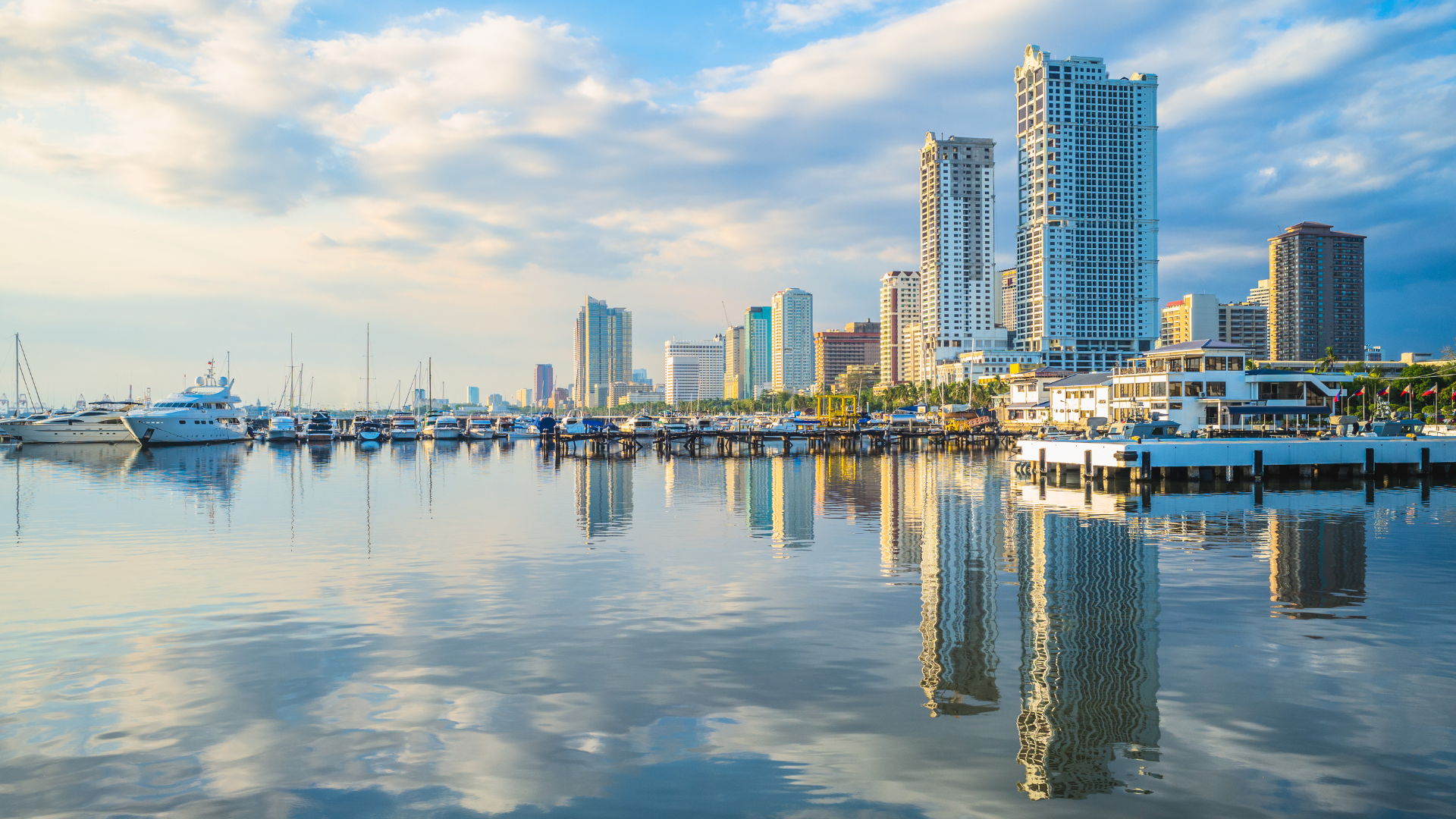
Manila Bay has long been associated with iconic sunset views and a historic waterfront setting. Today, it is undergoing a deeper repositioning — evolving into the country’s primary tourism, entertainment, and international gateway district.

This transformation is not speculative. It is being driven by:

  • Long-term capital commitments from global hospitality groups
  • Integrated master planning across entertainment, hospitality, and events
  • The clustering of destination assets that attract repeat international demand, not one-time visitation

Manila Bay is increasingly where:

  • International travelers arrive, stay, and spend
  • Global events and large-scale conventions are hosted
  • Entertainment, leisure, and hospitality ecosystems converge
  • International hotel brands commit long-term operating capital

In short, Manila Bay is becoming where tourism demand lives, not merely where it passes through.

Why Tourism Demand Matters More Than Residential Cycles

To understand Manila Bay’s strategic importance, it is critical to distinguish tourism demand from residential demand.

Residential demand is typically driven by:

  • Local employment levels
  • Domestic purchasing power
  • Credit availability and housing cycles

These factors are inherently cyclical and sensitive to economic slowdowns.

Tourism demand, by contrast, is driven by:

  • International arrivals
  • Global events, conventions, and entertainment
  • Leisure and destination-based spending

When tourism demand is strong, it generates recurring occupancy, consistent foot traffic, and sustained destination spending.

Even when residential markets soften, tourism-led districts often continue to perform because their demand is externally sourced and reinforced by destination appeal rather than domestic cycles alone.

For investors, this distinction is essential when evaluating durability, downside protection, and long-term relevance.

Demand Does Not Spread Evenly Across a City

Tourism demand does not distribute itself evenly across urban areas.

Globally, it concentrates around four core pillars:

  • Accessibility – proximity to international airports, expressways, and transport corridors
  • Infrastructure – convention centers, utilities, and master-planned districts
  • Entertainment ecosystems – integrated resorts, cultural venues, lifestyle destinations
  • Branded destinations – places global travelers recognize, trust, and return to

This concentration is intentional. It enables year-round activity, repeat visitation, and pricing resilience.

Manila Bay fits this global pattern precisely.

Entertainment Anchors in Manila Bay

One of the defining characteristics of Manila Bay is the presence of large-scale, integrated entertainment destinations operating at international standards.

Luxury Hospitality as a Demand Signal
Manila Bay is also anchored by a concentration of international-hospitality recognized hotels, which act as demand stabilizers, namely: 

  • Nuwa Hotel
  • Conrad Manila
  • The Manila Hotel
  • Hotel Okura Manila
  • Diamond Hotel Philippines

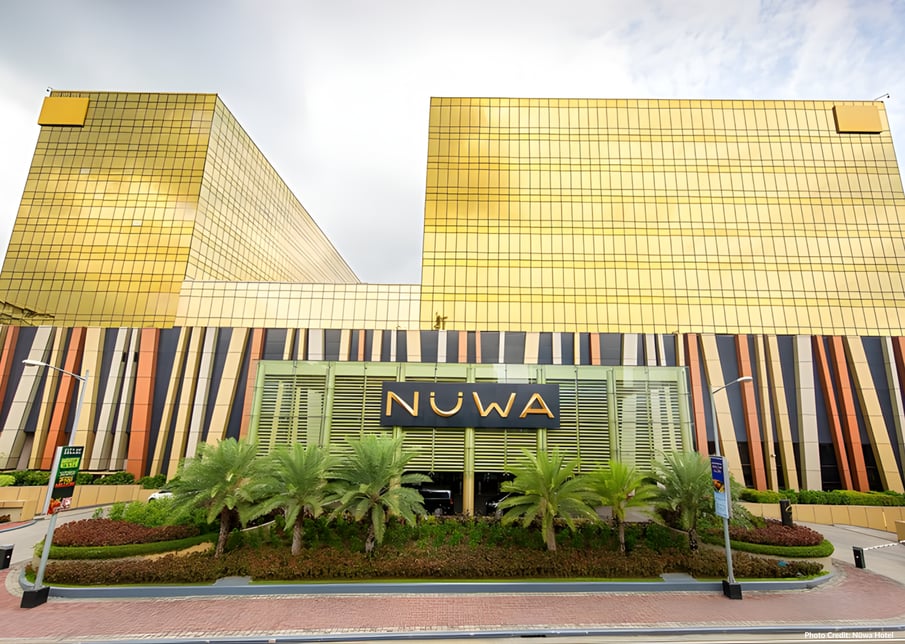
Nuwa Hotel

Nuwa Hotel, anchoring high-end visitor activity and reinforcing Manila Bay’s role as a destination-based hospitality district.
nuwa-hotel

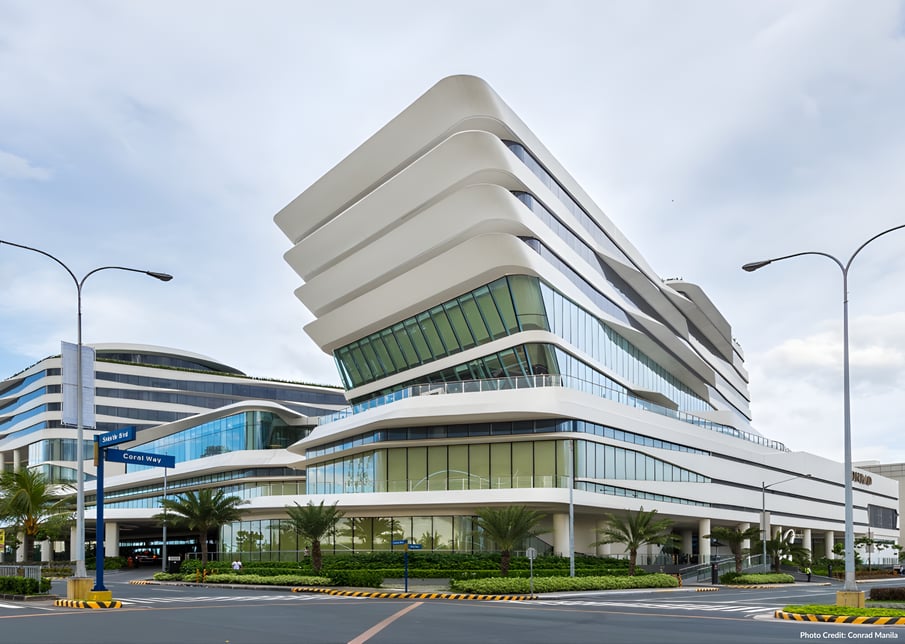
Conrad Manila

Conrad Manila anchors international business and convention-related stays, supporting consistent visitor flow tied to Manila Bay’s events and commercial infrastructure.
conrad-manila

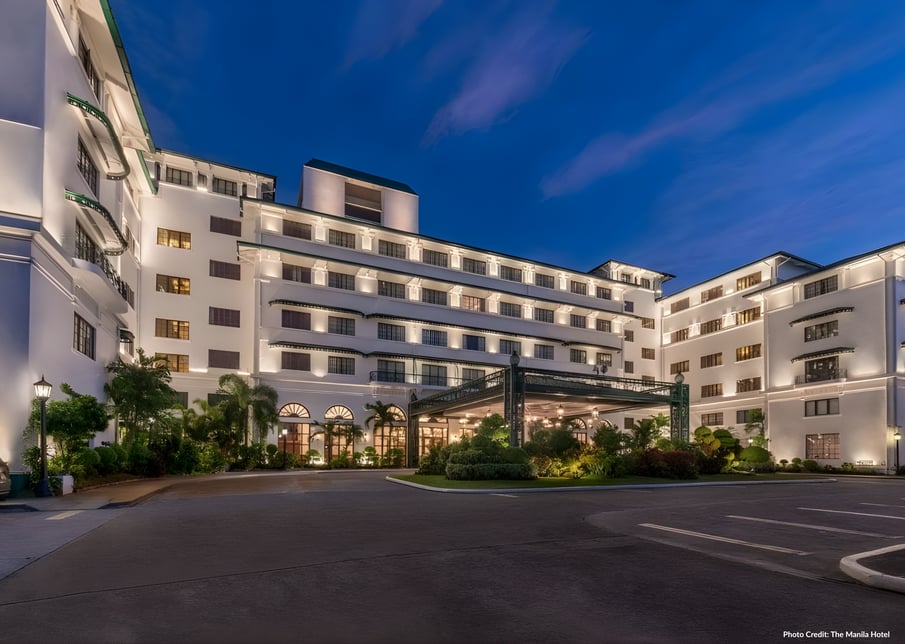
The Manila Hotel

The Manila Hotel serves as a long-standing hospitality anchor along Manila Bay, sustaining diplomatic, international, and institutional visitor presence over decades.
the-manila-hotel

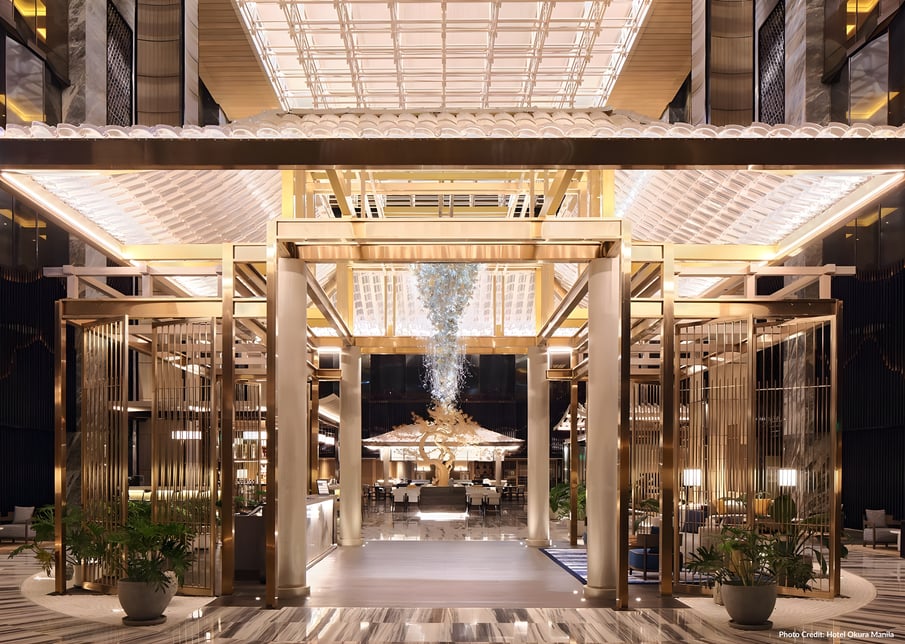
Hotel Okura Manila

Hotel Okura Manila contributes to Manila Bay’s international demand profile by anchoring Japanese and regional travel through brand-led hospitality operations.
hotel-okura

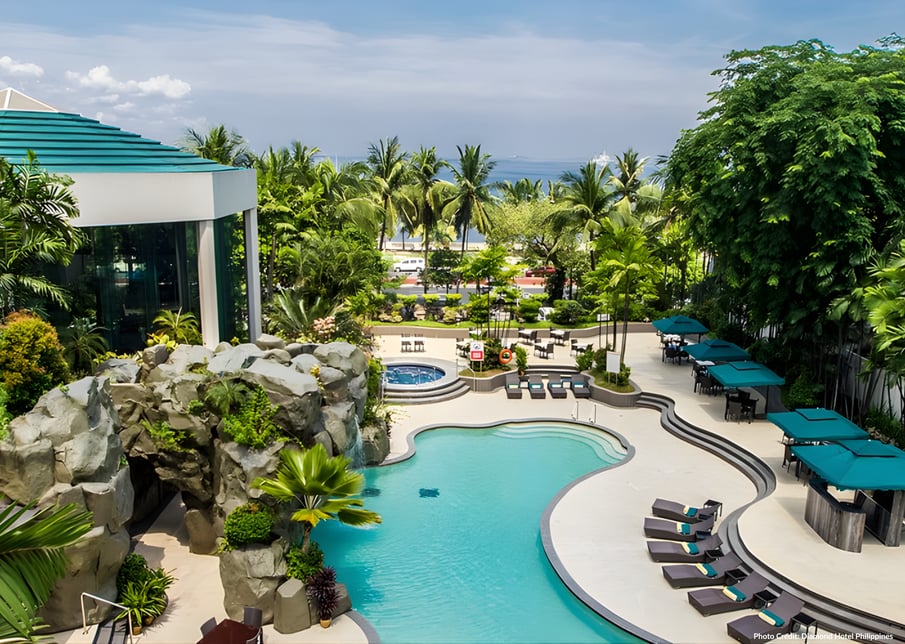
Diamond Hotel Philippines

Diamond Hotel Philippines anchors corporate and diplomatic accommodation demand along the Roxas Boulevard–Manila Bay corridor.
diamond-hotel

Convention and Trade Infrastructure: The Engine of Repeat Demand

Beyond leisure tourism, Manila Bay functions as the Philippines’ primary convention and exhibition corridor, anchored by SMX Convention Center Manila and World Trade Center Metro Manila, which host international conferences, trade fairs, and business events throughout the year.

These venues generate calendar-driven, non-seasonal demand by bringing recurring flows of international delegates, exhibitors, and corporate travelers, supporting sustained activity across hotels, residences, and surrounding commercial infrastructure.


Why Global Hotel Brands Anchor Structural Demand

Across global tourism hubs — whether Singapore, Dubai, or Tokyo — one pattern consistently appears: Global hotel brands anchor demand.

They bring international distribution and marketing networks, reservation and loyalty systems that scale, brand trust among global travelers, and operational standards and governance.

When a global brand commits to a location, it’s a signal that demand is not temporary — it’s structural. This transforms a district from opportunistic to institutional-grade.

FINAL PRESENTATION for Why Invest In Luxury Real Estate In The Philippines

Banyan Tree Residences Manila Bay: Strategic Positioning Within the District

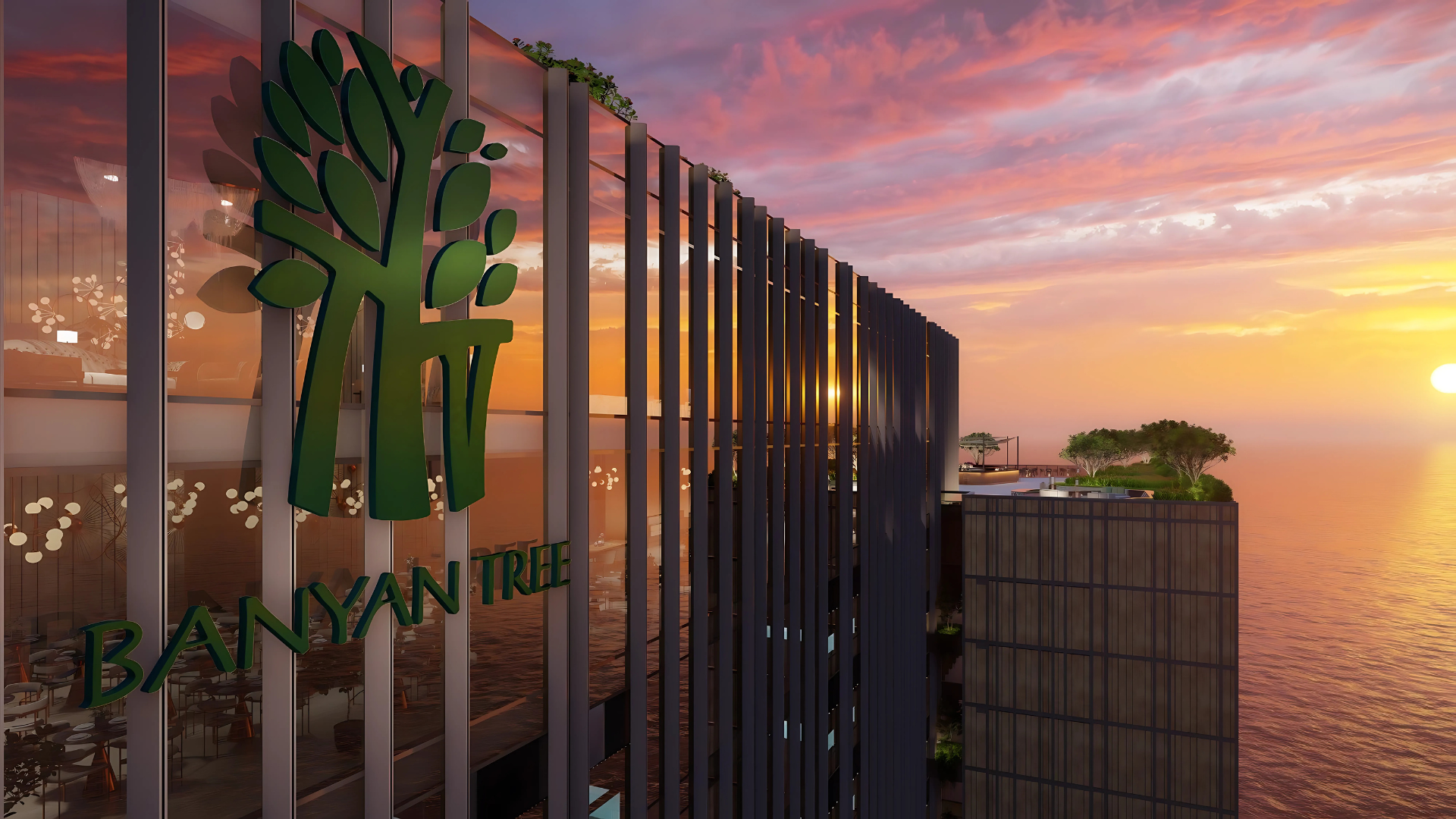
Within this evolving demand corridor sits Banyan Tree Residences Manila Bay, a branded residential development targeted for completion in 2029.

Banyan Tree is globally recognized for:

  • Privacy-led luxury
  • Wellness-oriented design philosophy
  • High service and operational standards

In a tourism-led district, branded residences align residential ownership with hospitality-grade governance, brand credibility, and destination demand — rather than relying solely on domestic residential cycles.

Strategic Considerations for Local Investors

For local investors, Manila Bay offers:

  • Exposure to demand driven by tourism and events

  • Participation in a district prioritized for long-term national development

  • Alignment with international hospitality operations and destination infrastructure

Strategic Considerations for Foreign Investors

For foreign investors, Manila Bay presents:

  • Entry into a globally recognized waterfront destination

  • Brand-anchored real estate aligned with international expectations

  • Demand drivers supported by entertainment, convention, hospitality ecosystems, and international gateway district.

For many foreign buyers, clarity around demand structure, brand governance, and exit visibility is essential for long-term confidence.

From Location Selection to Strategic Participation

When a global brand commits to a location, it’s a signal that demand is not temporary — it’s structural.

Once demand is clear, the next question is no longer where.

The real question becomes:
How do you want to participate in that demand?

And this is where Banyan Tree Manila Bay becomes very interesting.

Inside Banyan Tree Manila Bay, there are two ownership paths.

Both are real estate. Both sit under the same global Banyan Tree brand.
But they are built for very different intentions.

Within Banyan Tree Manila Bay, investors may consider two distinct ownership structures:

Hotel Investor Units  (Income Option)
A professionally managed hotel unit where returns are tied to occupancy and tourism activity, with no day-to-day management required from the owner.

Branded Residences (Lifestyle Option)
A privately owned home within the Banyan Tree ecosystem, designed for personal living, long-term ownership, and flexible use.

Hotel Investor Units buyers are typically:

  • Investors who value systems over self-management
  • Portfolio allocators
  • Business owners

Branded Residence buyers are typically:

  • End-users
  • Families
  • Legacy builders
  • Buyers who value privacy and control

And some clients choose both.

So the real question is not:
‘Which unit is better?’

The real question is:

  • Do you want your capital working inside a tourism-driven hotel system?
  • Do you want a private branded home inside the same ecosystem?
  • Or does it make sense to hold both — one for income, one for lifestyle?

Manila Bay provides the demand.
Banyan Tree provides the platform.

The decision is simply… how do you want to participate?

If you’d like a clear overview of how tourism demand in Manila Bay relates to branded residences and ownership options, an investor brief is available upon request.